



- Apr 10, 2026
- Parenting Insights
Achoo! Is It Pollen or a Cold? Helping Kids Build Classification Thinking During Seasonal Changes
Spring is in the air—but so is the challenge of runny noses.
As the weather warms up, it’s the perfect time for family outings and enjoying blooming flowers. While children run excitedly through parks, parents may feel a quiet concern:
“Uh-oh… my child is rubbing their eyes and has a runny nose again. Is it a cold, or is it pollen allergies?”
During seasonal transitions, we often only notice the symptoms. But from an educational perspective, this is a perfect real-life opportunity to help children develop a core skill: observation and classification thinking.
Learning Through Life: From Confusion to Clarity
When children feel unwell, we can go beyond physical care and guide them to become “little detectives” of their own bodies.
Competency-based learning emphasizes real-life problem-solving skills, and categorization (classification) is the foundation of logical thinking.
Let’s guide children through three simple steps:
Step 1: Observation
Instead of simply saying “I don’t feel well,” encourage children to describe details:
- Where do you feel uncomfortable? (nose, eyes, throat?)
- What does it feel like? (itchy, sore, heavy?)
- What does the mucus look like? (clear like water or thick and yellow?)
- When does it happen? (morning, after going outside?)
Key learning: Develop attention to detail and precise expression.
Step 2: Classification
Once observations are recorded, children can begin sorting information.
Category A: Allergies (Pollen & Dust)
- Trigger: outdoor exposure, dust, temperature changes
- Symptoms: sneezing, itchy red eyes
- Key sign: no fever, improves after leaving the environment
Category B: Common Cold (Virus)
- Trigger: contact with others who are sick
- Symptoms: sore throat, fatigue, mild fever
- Key sign: symptoms last several days and mucus thickens
Key learning: Identify key features and organize information—just like in math sets or scientific classification.
Step 3: Decision Making
The purpose of classification is to solve problems.
Guide children to think:
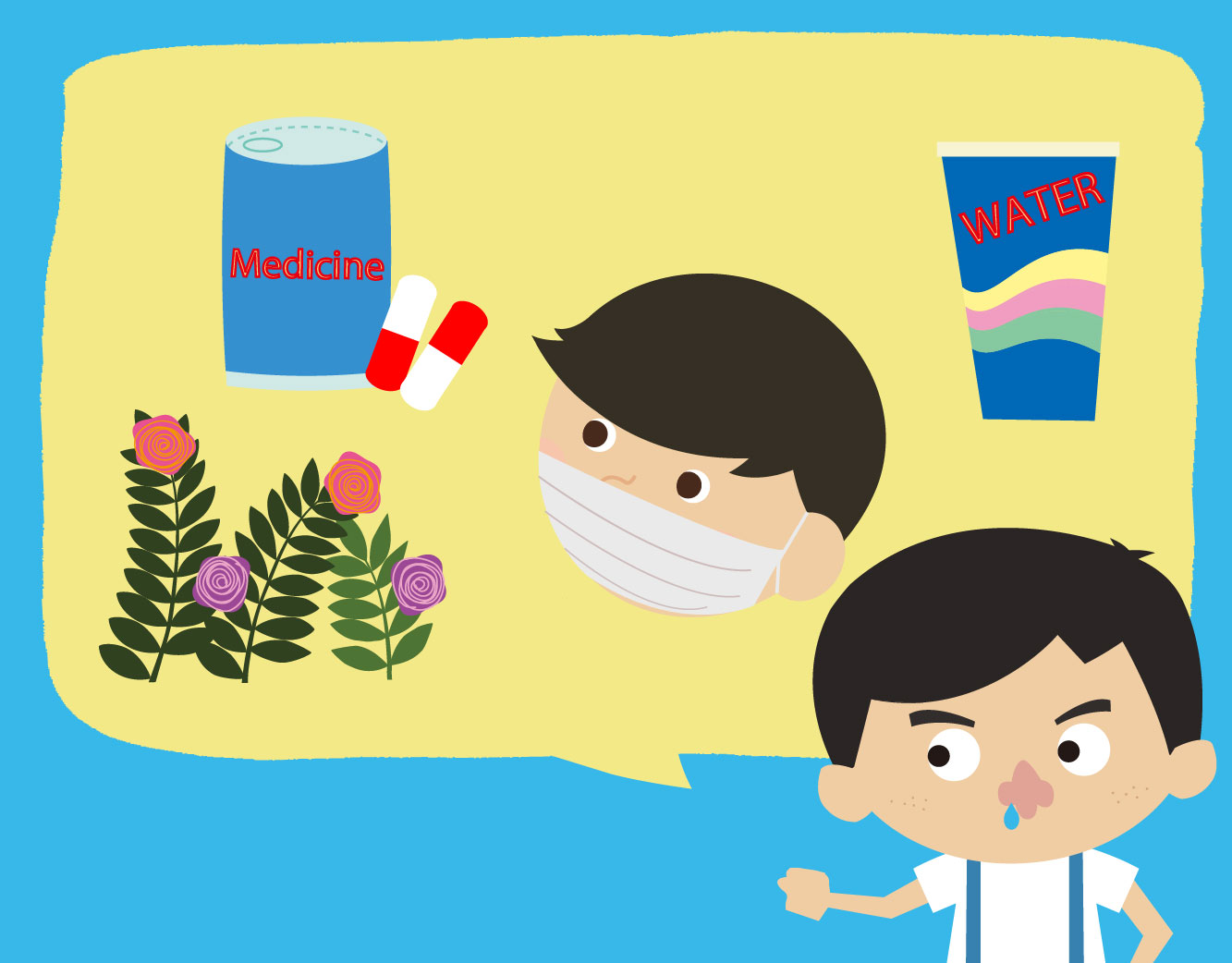
“If it’s allergies, how can we protect ourselves?”
→ Wear a mask, wash up after going outside, use an air purifier
“If it’s a cold, what should we do?”
→ Drink warm water, rest, reduce physical activity
Key learning: Transform children from passive receivers into active problem solvers.
A Lifelong Skill: Learning That Stays with You
Competency-based learning is not about memorizing facts—it’s about building the ability to navigate real-life challenges.
When seasonal allergies strike, most people see discomfort.
But children with strong thinking skills see an opportunity to observe patterns, build logic, and take action.
This ability to organize complex information will benefit them in learning—and in life.
Seasonal Tips for Families
Before heading out this weekend, try creating a “seasonal observation checklist” together:
- Check the weather: temperature, humidity, UV index
- Prepare essentials: masks, jackets, spare clothes
- Record observations: how the child feels after activities
Education doesn’t only happen in classrooms—it happens in every “achoo.”
Let’s turn seasonal changes into a meaningful thinking adventure for children.