



- Sep 1, 2026
- Sunstart Stories
Embracing Change in the AI Era:the Skills That Matter Most Are the Ones AI Can't Replace
The rapid advance of AI is reshaping education and the workplace alike, bringing new convenience alongside disruption, challenge, and change.
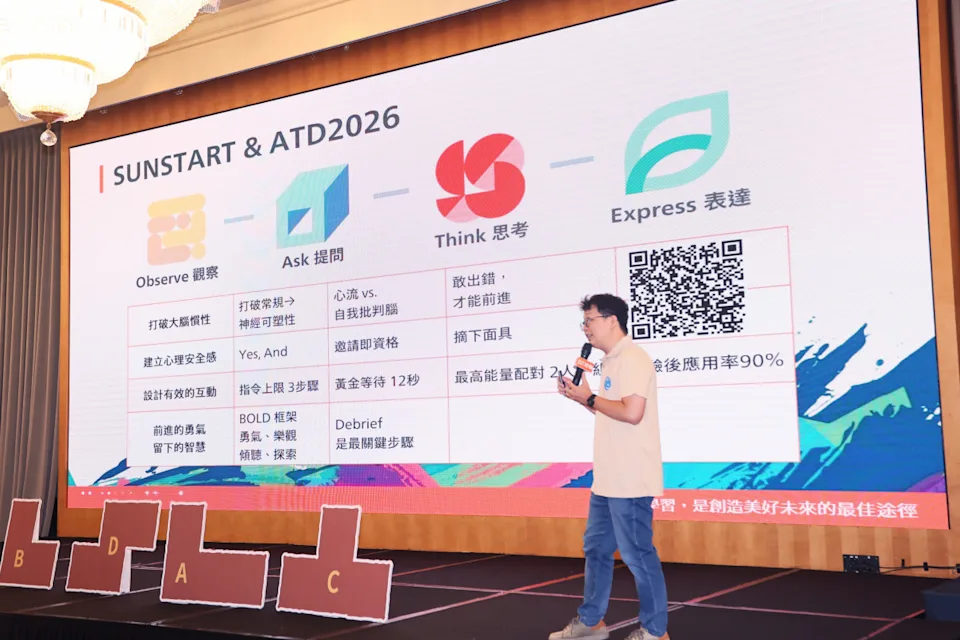
This year's conference held by the Association for Talent Development (ATD) in Los Angeles made clear that AI is redefining the talent-development model: true competitiveness in the future won't come from simply knowing how to use AI tools. It will come from the ability to hold onto human judgment, emotional resilience, and the capacity to keep growing all at the same time.
After sending representatives to Los Angeles for ATD26, our team held a debrief session sharing the latest global trends in talent development, along with our own perspective on what these shifts mean for how children should be taught and supported in an AI-driven world.
Skills Can Be Copied. Character Can't.
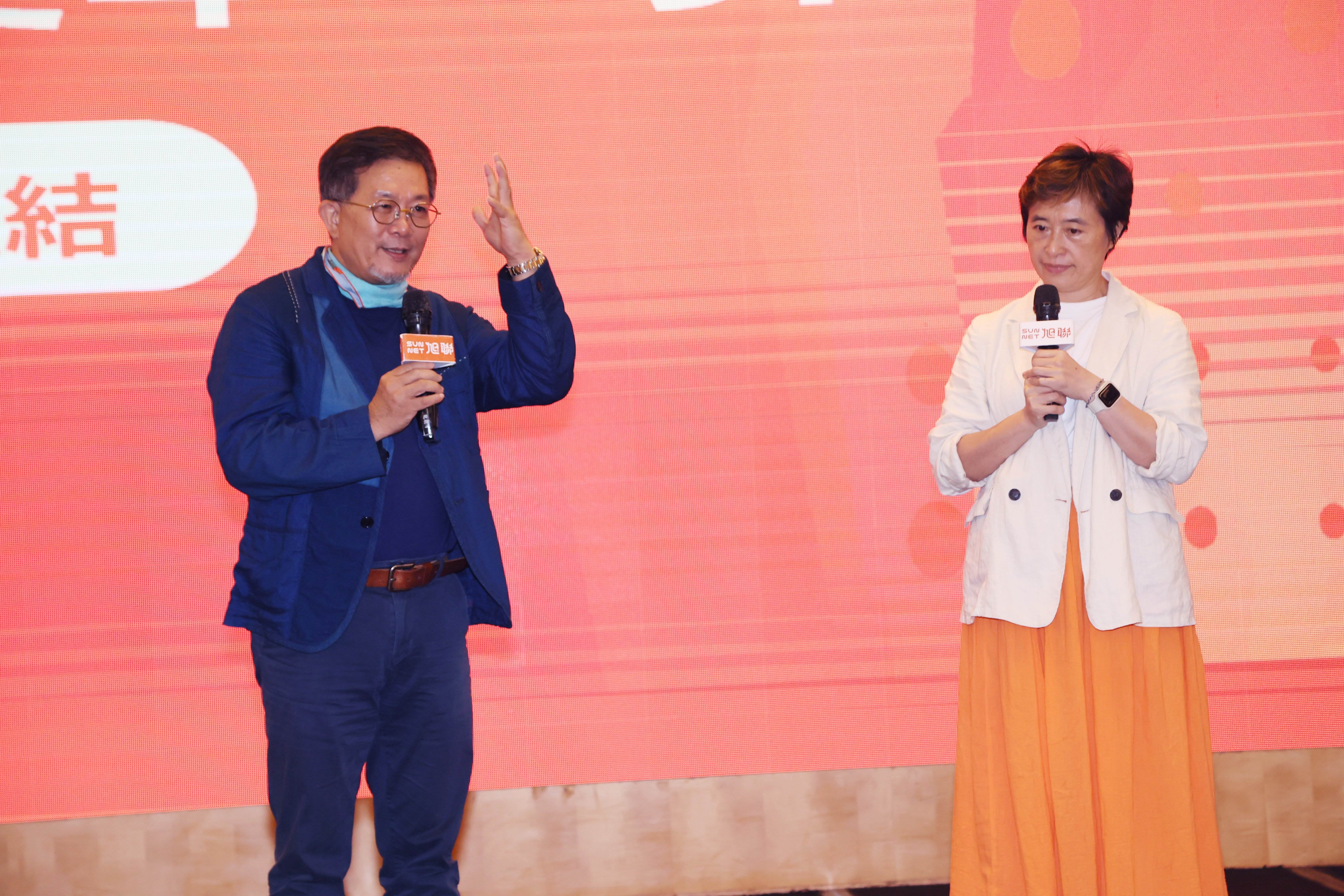
Huang Hsu-hung, CEO of Sunnet Technology, stated: "In the industrial era, a person's value came from their skills. But in the AI era, skills can be rapidly replicated — it's character, values, and traits like empathy and creativity that make up the competitiveness that truly can't be replaced."
The task of education, he added, isn't to let AI replace people. It's to make AI a partner that helps the next generation build independent thinking and a lifelong love of learning.
"What we fear most," Huang said, "is outsourcing our thinking to AI — handing our lives over to it." In the future, he believes, everyone will need to be both teacher and student at once, learning through genuine collaboration — between people, and between people and AI — while always keeping ownership of judgment, decision-making, and creative direction in human hands.
Bringing This Thinking Into Language Learning
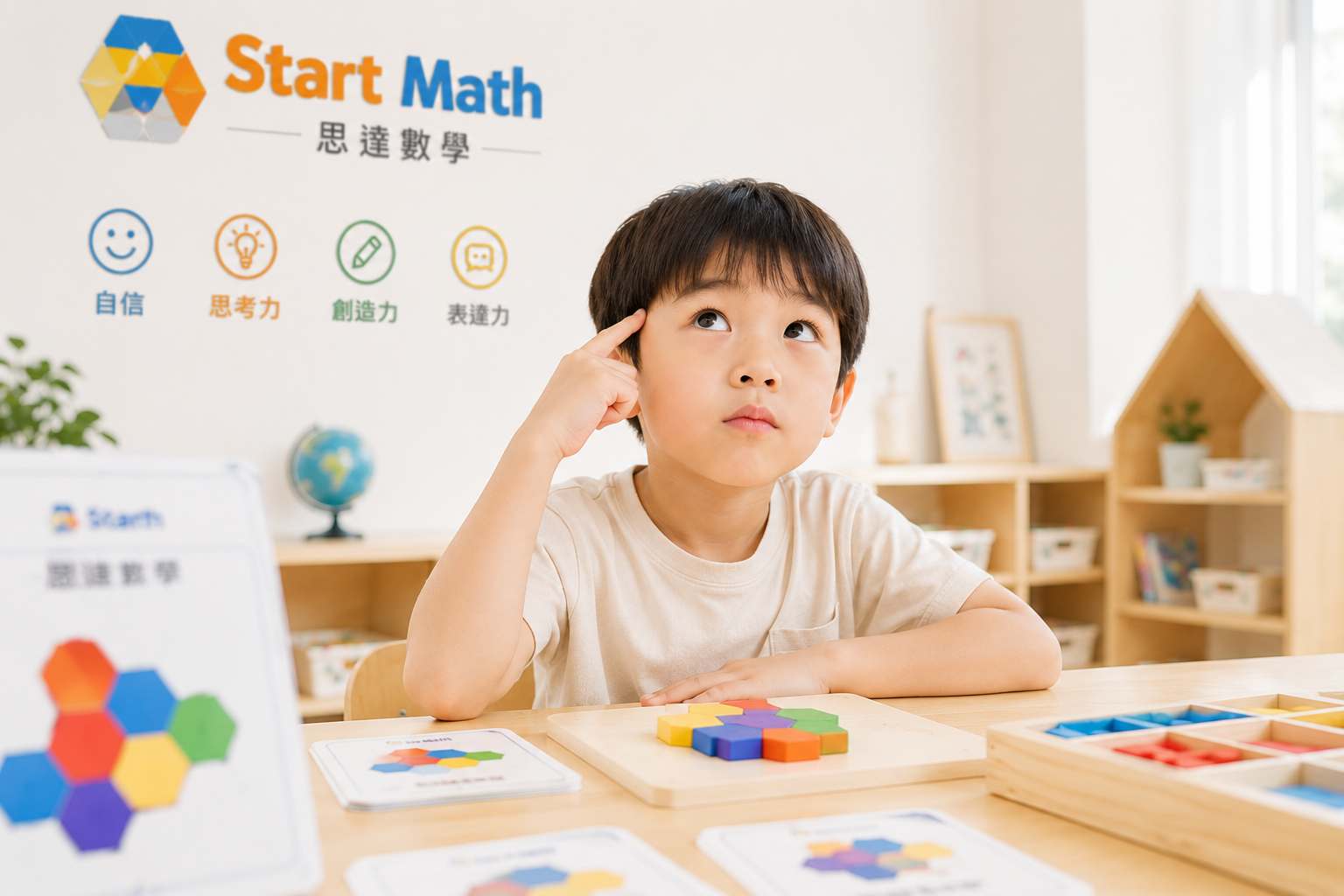
This is exactly the thinking that shapes our full-English children's education kit, built around three connected pieces: textbooks, hands-on learning aids, and digital courseware. Together, they immerse children in an authentic English-language environment — not so they memorize and translate, but so they build language ability alongside independent thinking and problem-solving.
Learning a language was never just about vocabulary and grammar. It's also about confidence — the willingness to speak up, ask questions, and think something through before reaching for an answer. As Huang's remarks at ATD26 suggest, the traits that will matter most for children growing up alongside AI are exactly the ones we try to nurture through immersive English learning: curiosity, independent thought, and the confidence to communicate.
(This section can be expanded further with specific product features, learning outcomes, age-range positioning, or testimonials once available.)
Disruption Is Also Opportunity
Hsieh Ching-jui, our Chief Strategy Officer, offered this closing thought on the AI wave facing education today: "Disruption, while unsettling, is also a prime opportunity to turn the tables and seize success."
Faced with this wave of change, Hsieh said, education needs to rethink the direction of talent development — so that technology becomes a force that supports learning rather than adds to its burden. What truly needs to be addressed in the AI era, he noted, isn't just a question of efficiency. It's a question of human growth.
Going forward, we'll continue to bring the latest global thinking on talent development — from ATD26 and beyond — into how we design our English-language learning tools, so that AI becomes every learner's best partner, and never a substitute for their own thinking.